Find Recipes by Nutrient
Have you ever looked at a nutrition label and wondered, "Is 6 mg of iron good? Is 400 IU of vitamin D enough? How much calcium do I actually need in a day?" With nutrients measured in grams (g), milligrams (mg), micrograms (µg), and International Units (IU), it can be difficult to know what those numbers actually mean.
To help make nutrition a little more approachable, I use both the Recommended Dietary Allowance (RDA) or Adequate Intake (AI) and the % Daily Value (%DV) throughout this website. The RDA is the average daily intake that meets the nutrient needs of nearly all (97–98%) healthy individuals, while the AI is used when there is not enough evidence to establish an RDA and represents an intake level assumed to be adequate for most healthy people.1,
Although nutrient recommendations are useful, they can be difficult to remember, especially when every nutrient is measured using different units. That's why I love using % Daily Value (%DV). The %DV tells you how much one serving contributes toward your daily nutrient needs without requiring you to memorize every recommendation. As a general guideline, 5% DV or less is considered a low source of a nutrient, while 20% DV or more is considered a good source.3
To take some of the guesswork out of meal planning, I've organized the recipes below by the nutrients they provide in meaningful amounts so you can quickly find meals that support your nutrition goals. Most categories include recipes that provide at least 20% of the Daily Value per serving, making it easy to find meals that can help you build a nutrient-rich, well-balanced plant-based diet.
Looking for a Recipe with a good source of…
How recipes were selected
Nutrient
Iron
Calcium
Zinc
Iodine
Vitamin B12
Vitamin D
Omega-3s
Daily Recommendations
RDA: 8mg/day for men and 18mg/day (19-50 y) and 8 mg/day (50y+) for women 1
Requirements increase during pregnancy 1
Cronometer calculates %DV using the FDA Daily Value of 18 mg/day. Because iron from plant foods is less readily absorbed, recipes in this category use a target intake 1.8x higher than the standard recommendation, consistent with recommendations for vegetarian and vegan diets. 7
RDA: 11 mg/day for men and 8mg/day for women 1
Cronometer calculates %DV using the FDA Daily Value of 11 mg/day. Because zinc absorption from plant foods may be lower, recipes in this category use a target intake approximately 50% higher than the standard recommendation, consistent with suggestions for vegetarian and vegan diets. 8
RDA: 2.4 µg/day 1
RDA: 15 µg/day (600 IU) for most adults. 6
Recipe Criteria
≥20% DV using adjusted vegan recommendations
≥20% DV
≥20% DV using adjusted vegan recommendations
≥20% DV
≥20% DV
≥20% DV
≥0.5g aLA
Protein
RDA: 0.8 g/kg/day (minimum intake to meet the needs of nearly all healthy adults) 4
Recent evidence and the 2025–2030 Dietary Guidelines Scientific Report suggest that 1.2–1.6 g/kg/day may better support health promotion for many adults, although individual needs vary based on body size, age, activity level, and health goals.5
≥ 25gprotein per serving
Notes
Protein: Protein requirements vary much more than vitamin and mineral recommendations because they depend on body size and activity level. Rather than using %DV, I selected recipes that provide at least 25 grams of protein per serving, making them excellent options for building satisfying, protein-rich meals.
Omega-3: The Adequate Intake (AI) for alpha-linolenic acid (ALA) is 1.1 g/day for adult women and 1.6 g/day for adult men1. Currently, there are no official omega-3 recommendations specific to vegetarian or vegan populations. However, some experts recommend that vegans consume approximately 2-4 g/day of ALA and 100–300 mg/day of DHA to account for the limited conversion of ALA to the longer-chain omega-3 fatty acids EPA and DHA9. Although these recommendations have been proposed, they have not been adopted as official Dietary Reference Intakes. For this website, recipes in the High Omega-3 category provide at least 0.5 g of ALA per serving, representing a meaningful contribution toward the current AI, making it easier to identify recipes that contribute toward total daily omega-3 intake.
Iron and Zinc: For iron and zinc only, the %DV values applied to this page have been adjusted to reflect the higher intake recommendations commonly suggested for vegetarian and vegan diets because these minerals are less bioavailable from plant foods. As a result, the percentages shown here differ from those displayed in Cronometer, as well as the %DV listed on the recipe cards, which did not adjust for the vegan-specific recommendation.
References
IRON
zINC
VITAMIN B12
VITAMIN D
OMEGA-3s
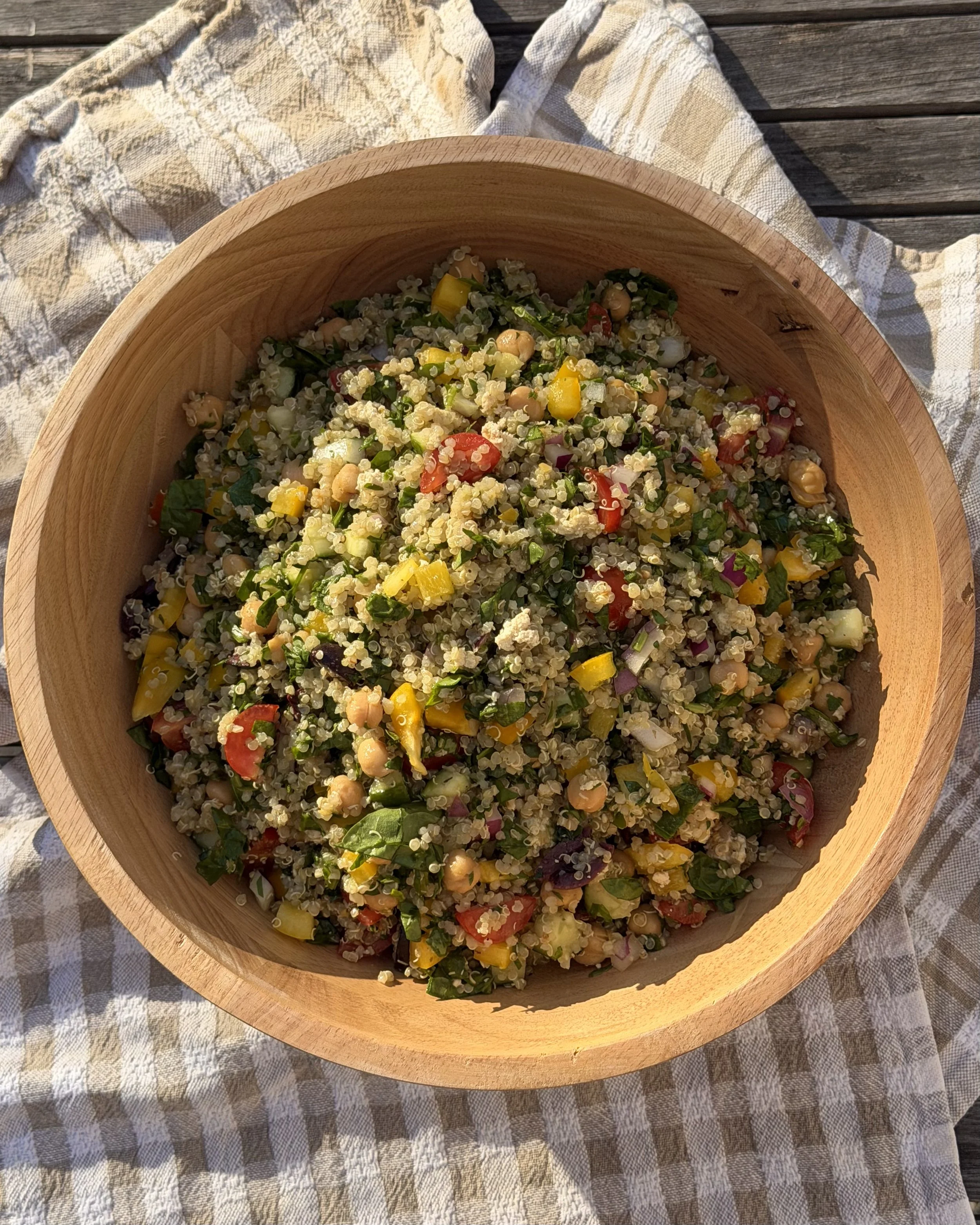
PROTEIN